

Residents need to know whether to move a car, use another entrance, or expect work near their unit. A roofing proposal may explain the materials and price while leaving those questions unanswered. Settle access and communication with the contractor while the board is comparing bids.
For an occupied property, walk through a working day: deliveries, crew access, roof work, debris removal, and departure. The manager needs enough detail to tell residents what will affect them and whom to contact if a problem arises.
Decide who can approve work and who answers residents
Name the board’s decision maker, the manager’s site contact, and the contractor’s project contact, with backup numbers. Give residents one management contact for routine questions and an agreed route for urgent reports such as water entering a unit.
The person coordinating a delivery may have no authority to approve extra work. Make clear who can change the price or repair plan, who handles property access, and who sends resident notices. One person can hold several roles if the board and contractor agree. Decide how they will confirm an approval when the usual contact is unavailable.
Compare coordination responsibilities across bids, too. A contractor who includes equipment-service coordination may be pricing work that another bidder expects management to arrange.
Walk the delivery and access routes
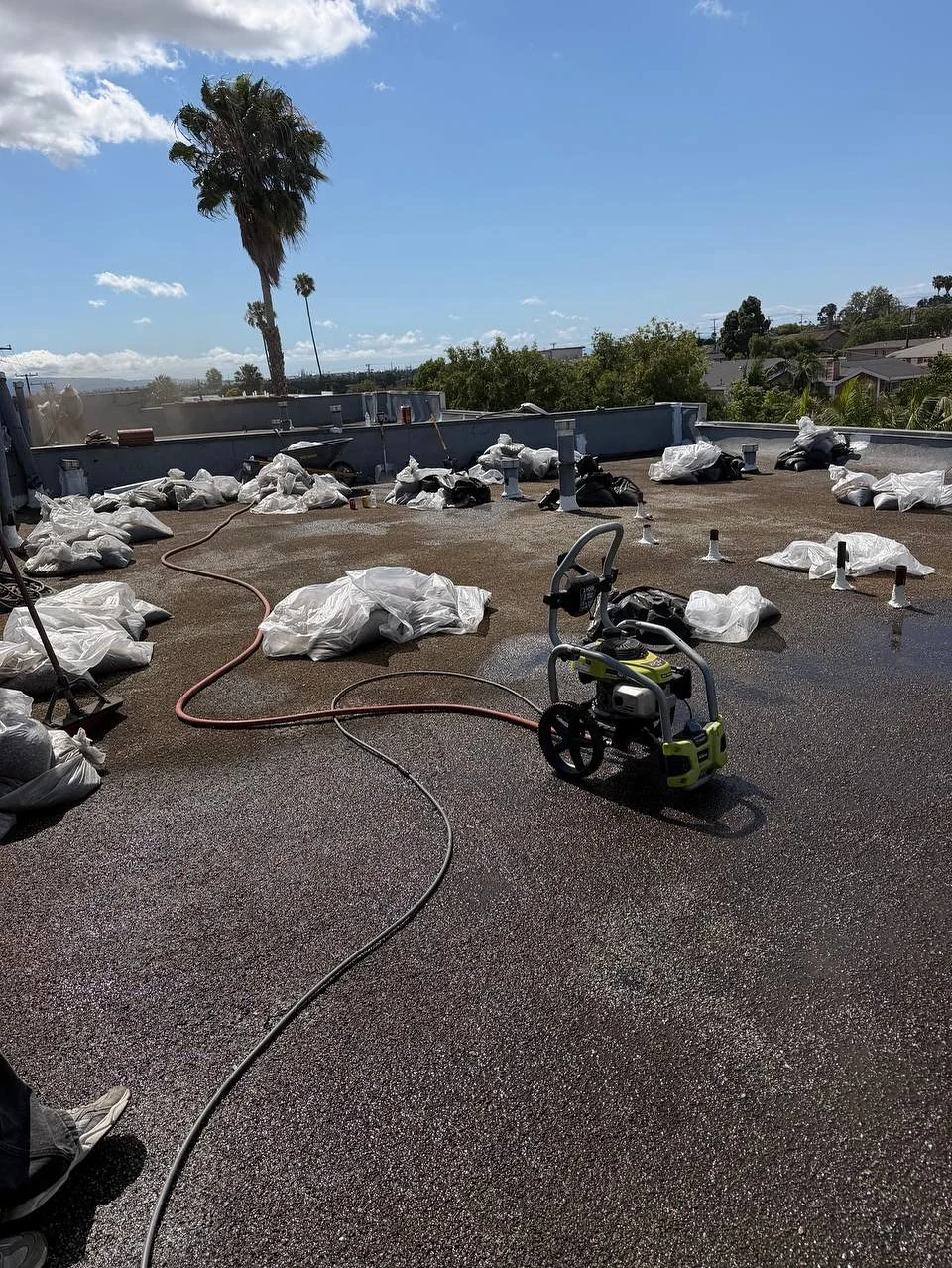
Meet the contractor at the property and mark the proposed delivery space, material storage, debris route, roof access, and affected parking on a site plan. The manager can point out entrances and common areas residents need to reach throughout the project.
IKO’s guidance on roofing around building occupants covers access, parking, equipment, noise, and possible HVAC interruptions. Use those topics at the walk-through. The contractor should explain the work zones and safety arrangements; management should identify the resident-access needs they must accommodate.
Get the work sequence before writing the notice
A start date and estimated duration leave out much of what a manager needs to coordinate. Have the contractor explain the stages for the chosen work. A repair, restoration, and full replacement can affect the property in different ways.
| Stage or issue | Detail management needs |
|---|---|
| Delivery and setup | Spaces needed, dates, and who confirms availability. |
| Preparation or removal | Affected building areas and arrangements management must make before work starts. |
| Main roof work | Proposed work areas, their sequence, and any limits on dividing the job into sections. |
| Rooftop equipment | Other trades needed and responsibility for arranging any service interruption. |
| Weather or new findings | Who decides to change the plan and how management receives the update. |
| Crew departure and completion | Areas to inspect, remaining restrictions, and the person receiving the contractor’s update. |
Identify dates that depend on weather, material deliveries, inspections, or findings during the work. Management can then describe an expected date range without turning the contractor’s estimate into a fixed promise to residents.
Tell residents what they need to do
Residents need recognizable locations and clear instructions. “Move vehicles from the marked spaces” is more useful in a notice than a description of the roofing system. Confirm the details with the contractor before sending it:
- Building or work area, expected date range, and agreed working hours.
- Parking spaces, entrances, balconies, or walkways affected, with any action residents need to take.
- Any confirmed equipment shutdown or service arrangement.
- Contacts for questions and urgent concerns.
- How residents will receive changes to the plan.
Include only arrangements that apply to the property. Resolve access and service questions before making assurances about them, and account for the association’s responsibilities when preparing the notice.
Agree on a short update before the crew leaves
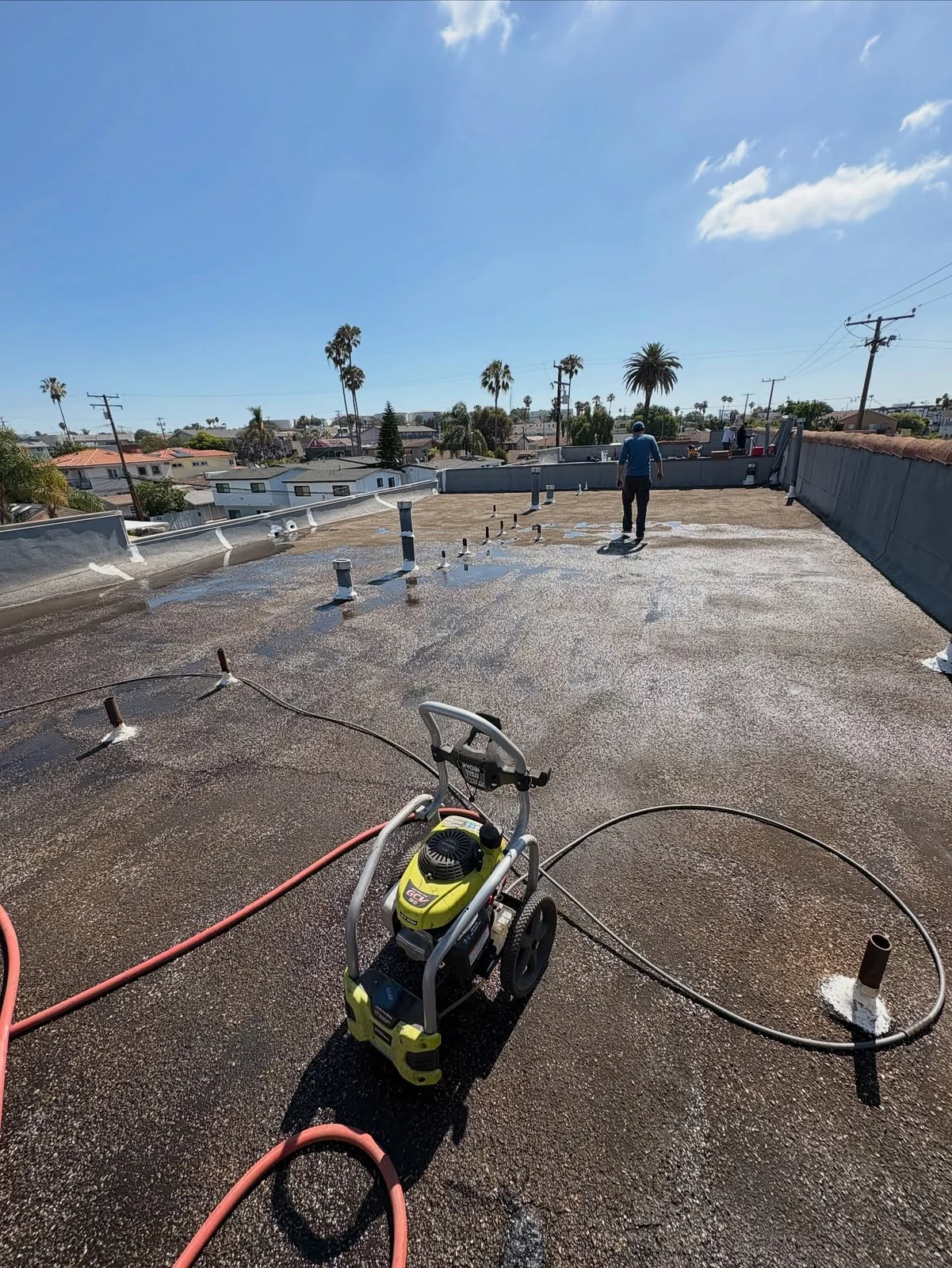
The manager needs to know the area completed that day, what the crew plans next, and which restrictions remain. Include any decision needed before work can continue. Agree who will inspect common areas affected by deliveries or debris handling and how the contractor will hear about a concern.
Keep the updates in one project file. For a resident complaint, note the time, location, description, and person handling it so the contractor has enough information to investigate. Keep instructions about access separate from approvals that change the roof work or price.
Collect the documents at completion
Before closing the project, review outstanding work with the contractor. Collect the completed-work description, photos identified by roof area, applicable warranty documents, maintenance instructions, and contact details. Assign any remaining item to a person and keep it open until they confirm its resolution.
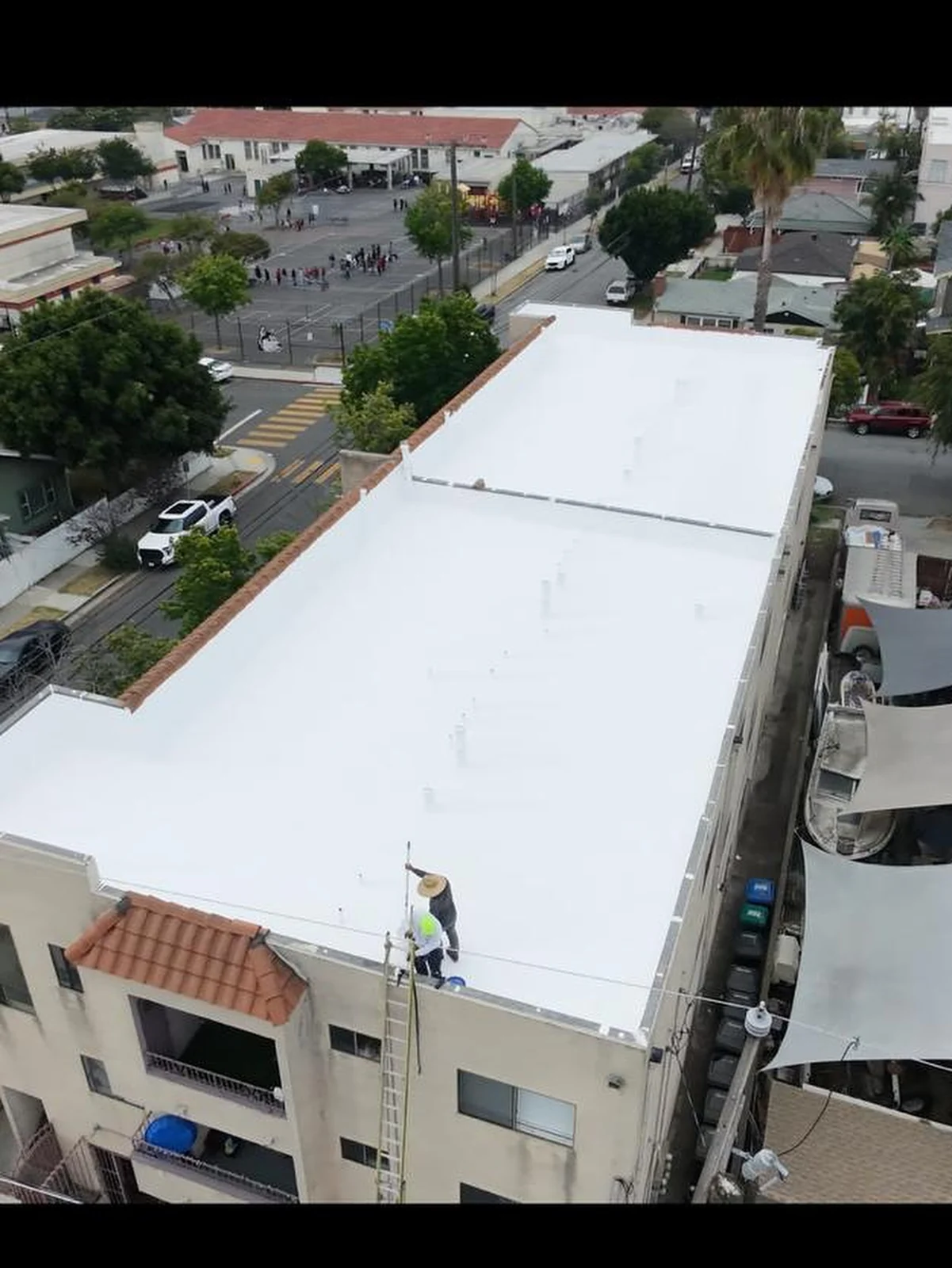
Golem Roofing offers commercial, HOA, and apartment roofing services, including assessment, restoration, replacement, and maintenance planning. If the board needs to establish the roof’s condition before seeking bids, begin with a roof inspection and written report.
Contact Golem Roofing with the address, building layout, and known access restrictions. Use the proposal discussion to settle both the roofing work and the arrangements management will need to make for residents.
Related Roofing Services
Move from this article into the right service path without losing the context behind your roofing decision.
Residential roofing
Installation and replacement paths for shingle, tile, concrete tile, and metal roofs.
Repair and maintenance
Inspection, leak repair, maintenance, and repair planning when the roof still has useful life.
Commercial and HOA
Commercial replacement, HOA planning, TPO systems, and silicone roof coating options.
Planning and proof
Start with the right service path, then review certifications, projects, and customer proof.
Service Areas
Golem Roofing serves Long Beach, the South Bay, Palos Verdes, and nearby Los Angeles County communities.
More Roofing Guides
Related articles selected from the same roofing topic cluster.
- Silicone Roof Coating Adhesion: The Test Before the Topcoat
- Silicone Roof Maintenance: What to Check After Restoration
- Water Still on Your Flat Roof? What to Resolve Before Coating
- Flat Roof Restoration Done Right: Repairs, Reinforcement & Silicone Coating
- Apartment Building Roof Restoration: From 8 Tons of Gravel to a Complete System
- Long Beach Flat Roof Restoration: A Complete Silicone Roofing System