
A ceiling stain has returned after a repair. Before paying for another patch, you need to know where the inspector thinks water enters and why. The report should connect the damage you see indoors with a finding on the roof or elsewhere in the building, then explain how the proposed repair addresses it.
Photos help, but a close-up of a worn roof surface leaves that connection unexplained. You need the location, the inspector’s reasoning, and a clear account of anything they could not examine.
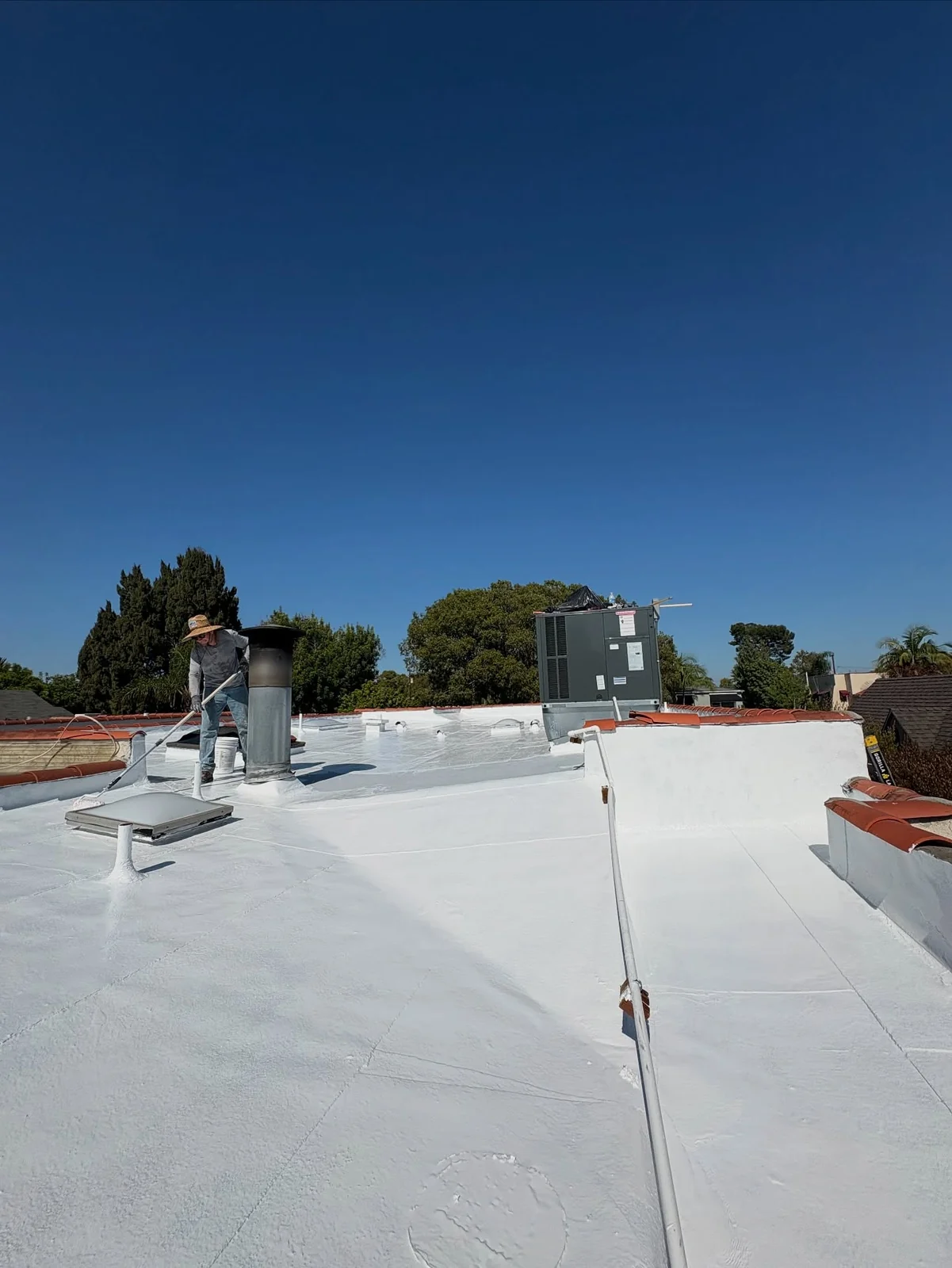
Give the inspector the history of this leak
Water can travel within a roof assembly before you see it on a ceiling or wall. The entry point may be some distance from the stain. The National Roofing Contractors Association’s leak-investigation guidance also describes other sources an inspector may need to consider, including walls, equipment, plumbing, and condensation.
Start with what you have seen:
- The room and exact spot where moisture appeared.
- Whether you saw active dripping, a damp surface, or an old dry stain.
- The date and whether rain or equipment operation coincided with the leak.
- Earlier repairs, their locations, and whether the leak changed afterward.
Keep the dates with your photos. Include a wider view of the room so the inspector can place a close-up of the stain. You can gather this history from inside the building; leave roof access to the inspector.
A report you can follow from the room to the roof
The inspector should identify the area in each roof photo and explain its relevance to the leak. A wider view or marked roof sketch helps you follow the location without climbing onto the roof.
| Part of the report | Detail you need | Question it answers |
|---|---|---|
| Your reported leak | Interior location, timing, and signs of moisture | Did the inspector investigate the problem you reported? |
| Roof findings | The roof area or detail examined, with labeled photos | Where is the condition, and what did the inspector see? |
| Suspected cause | The connection between the finding and the interior moisture | Why does the inspector think water enters here? |
| Unresolved areas | Inaccessible spaces, untested possibilities, or other limits | How much of the cause remains uncertain? |
| Recommended repair | Location, extent, and purpose of the work | How will this work address the suspected entry point? |
A roof may have several defects that deserve attention. The inspector should distinguish repairs tied to your leak from other maintenance recommendations, so you can see the reason for each charge.
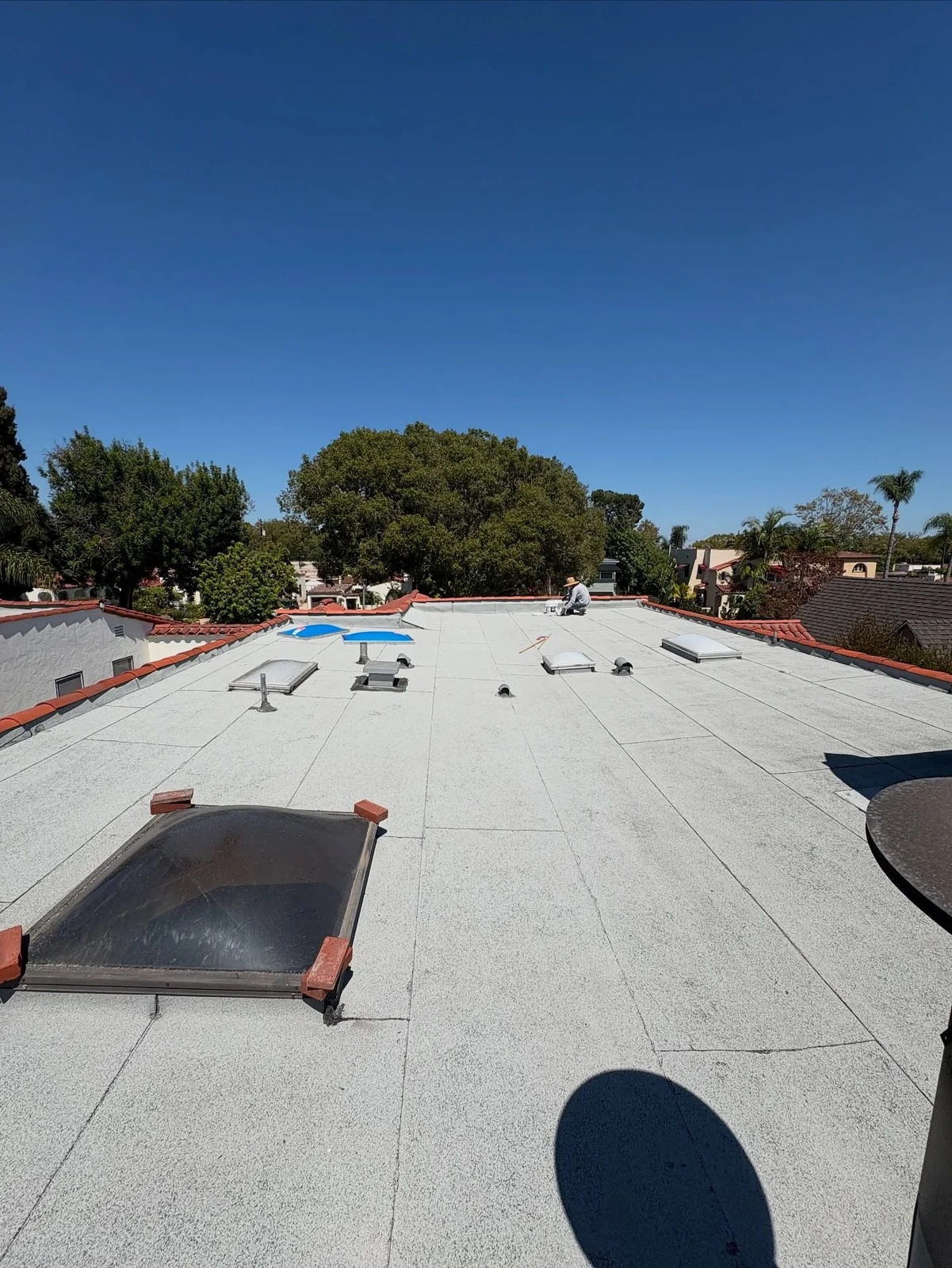
Know how the inspector reached the conclusion
An inspector may draw on a visual roof inspection, accessible interior observations, testing, or a combination. The report should say which they used. If the contractor recommends a test, find out what it would resolve and whether the price includes it.
Some inspections leave a suspected cause unconfirmed because the inspector cannot reach an area or needs to investigate another building system. You should know what remains open before deciding between a repair and further investigation.
Tell the inspector about unsuccessful repairs. If the new recommendation involves the same area, have them explain what they found that supports trying again and how the proposed work differs from the earlier repair.
Compare the work behind the price
Two contractors can inspect the same leak and propose different repairs. One might price a small area around a penetration; another might include the adjoining roof surface. Compare the areas and tasks in each estimate before comparing totals.
The proposal should identify any temporary protection and the intended permanent repair. Find out whether the price covers interior drying or finishes, and whether an equipment contractor needs to do separate work. Save the inspection photos with the estimate so you can refer back to the reason for the repair.
Arrange an inspection for a recurring leak
For a Long Beach or South Bay property, send the same leak history and interior photos to each contractor you contact. You will have a better basis for comparing their explanations and prices if they start with the same information.
Golem Roofing offers roof inspections and written reports with photographs, condition documentation, and recommendations. To discuss roof repair, share where water appears, when it happens, and what earlier repairs have changed.
Related Roofing Services
Move from this article into the right service path without losing the context behind your roofing decision.
Residential roofing
Installation and replacement paths for shingle, tile, concrete tile, and metal roofs.
Repair and maintenance
Inspection, leak repair, maintenance, and repair planning when the roof still has useful life.
Commercial and HOA
Commercial replacement, HOA planning, TPO systems, and silicone roof coating options.
Planning and proof
Start with the right service path, then review certifications, projects, and customer proof.
Service Areas
Golem Roofing serves Long Beach, the South Bay, Palos Verdes, and nearby Los Angeles County communities.
More Roofing Guides
Related articles selected from the same roofing topic cluster.
- Silicone Roof Maintenance: What to Check After Restoration
- Long Beach Roof Replacement for a Two-Story Home and Garage: A Complete GAF System
- Long Beach Roofing Project with Long-Term Warranty Protection
- Long Beach Flat Roof Restoration: A Complete Silicone Roofing System
- Roofing Warranty Checklist: 7 Questions Long Beach Property Owners Should Ask
- Apartment Building Rock Roof Restoration in Long Beach, CA: 8 Tons of Gravel Removed and a 20-Year ASC Warranty