
The roofer has removed the old roofing and found damaged wood. Before you approve an added charge, the contractor should show you where the damage is, explain the repair, and price the work in terms you can follow.
You can prepare for this possibility while reviewing the original estimate. Find out whether it includes a wood allowance or agreed unit prices, who can approve extra work, and how the contractor will contact you while the roof is open.
Decking sits beneath the underlayment
The roof deck, also called sheathing, supports the roof covering. Underlayment goes above it. Replacing the underlayment leaves the wood below in place, so the roofer needs to assess the deck’s condition before covering it again.
GAF explains that a contractor may not see decking damage until removing the old roofing. Replacement depends on the wood’s condition; a new roof does not require an all-new deck in every case. GAF’s technical bulletin on complete tear-offs describes the opportunity to inspect the deck and replace deficient materials once the roofer exposes them.
Match the damaged area to the proposed repair
A close-up may show damaged wood without telling you where it is or how far the repair extends. Request a wider photo labeled with a recognizable area, such as the garage roof, along with close-ups of the damage.
The added-work proposal should explain these details:
| Item | Detail to review before approval |
|---|---|
| Damage and location | The wood condition, its location, and why the roofer recommends replacement. |
| Extent of repair | Whether the work covers sheathing alone or includes framing, fascia, or another component. |
| Material and quantity | The replacement material, the unit of measurement, and whether the quantity is final or an estimate. |
| Work already in the contract | Any wood allowance, agreed unit price, or related work that applies to the repair. |
| Added charge | Included tasks, credits for work already covered, and the revised project total. |
| Approval and timing | Who approves the change, how the contractor will confirm it, and any effect on the schedule. |
If the damage extends into supporting framing, get an explanation of that repair as well. The proposal should describe it separately from the sheathing replacement so you can evaluate both parts of the job.
Read the quantity and price together
Roofers may price wood replacement by sheets, area, individual boards, or a defined repair item. Find the billing unit in the estimate and compare it with the proposed quantity. Photos help you understand the location and extent of the work, but they cannot establish the measurement on their own.
Look at what the price includes: removing and disposing of damaged material, installing the replacement, and any necessary supporting work. A low unit price is hard to compare with another contractor’s total if the two cover different tasks.
For a contract with a wood allowance, have the contractor show how much of it applies to the repair and how they calculated the balance. Compare any agreed unit prices with the new calculation. If the quantity is provisional, settle how the contractor will confirm the final amount and whether you will need to approve a further change.
Stay reachable during tear-off
Choose the person who can approve extra work before the crew starts. Give the contractor a reliable contact method and discuss how they will protect the open work area while awaiting a decision. Depending on the finding and the weather, the contractor may need to discuss separate temporary protection.
This is easier to settle at the estimate stage than during a call about an open roof. It also gives you time to review how the contract handles concealed damage.
Keep photos of the work beneath the shingles
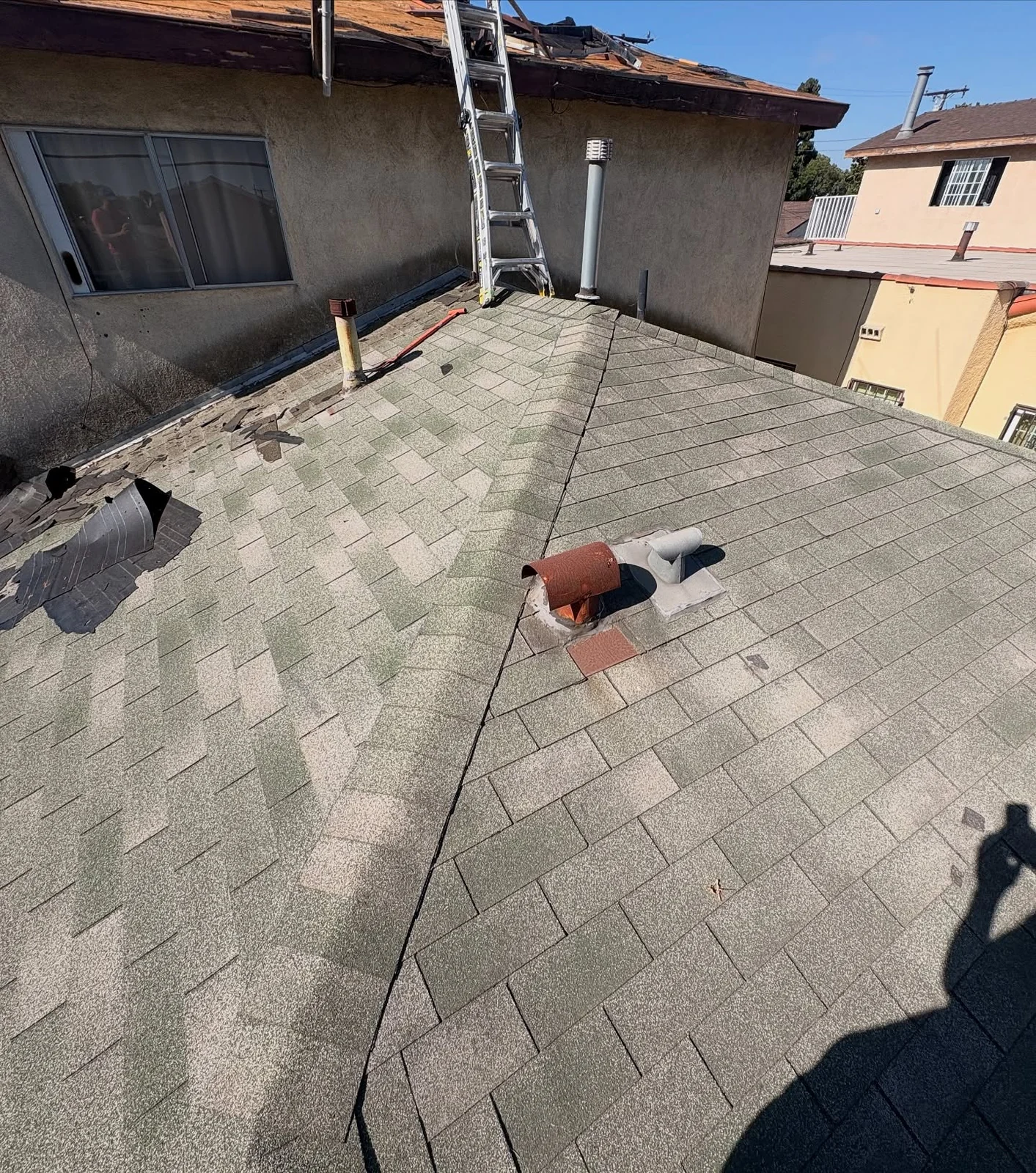
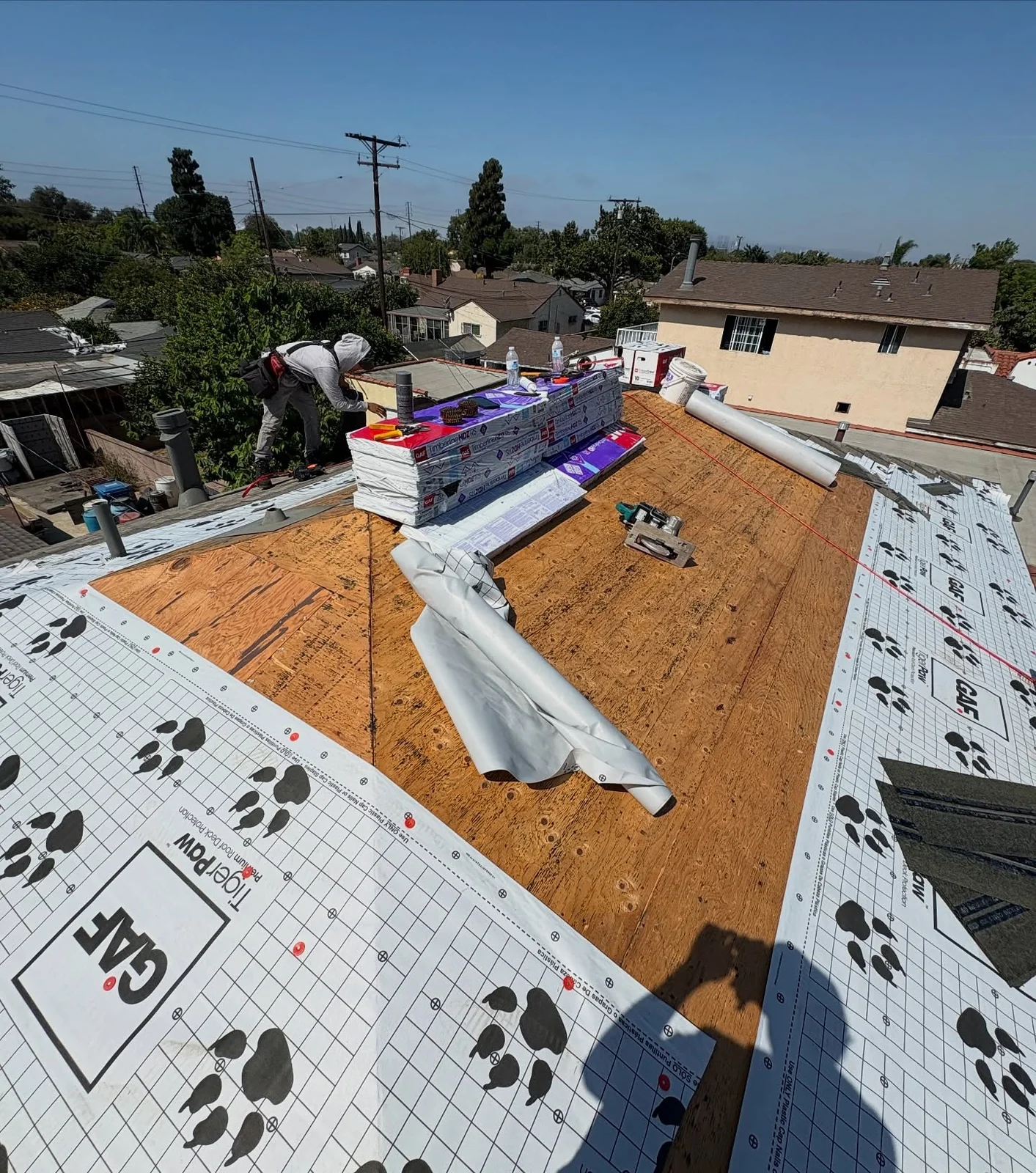
On a two-story home and garage in Long Beach, Golem replaced damaged wood during tear-off before installing a complete GAF roofing system. The photos show the old shingles, exposed decking, underlayment, and finished roof.
For your replacement, request photos of the repair areas before the new layers cover them. Keep those with the approved change, final quantity, and invoice details. A finished-roof photo shows the visible result; the earlier photos help explain the wood work underneath.
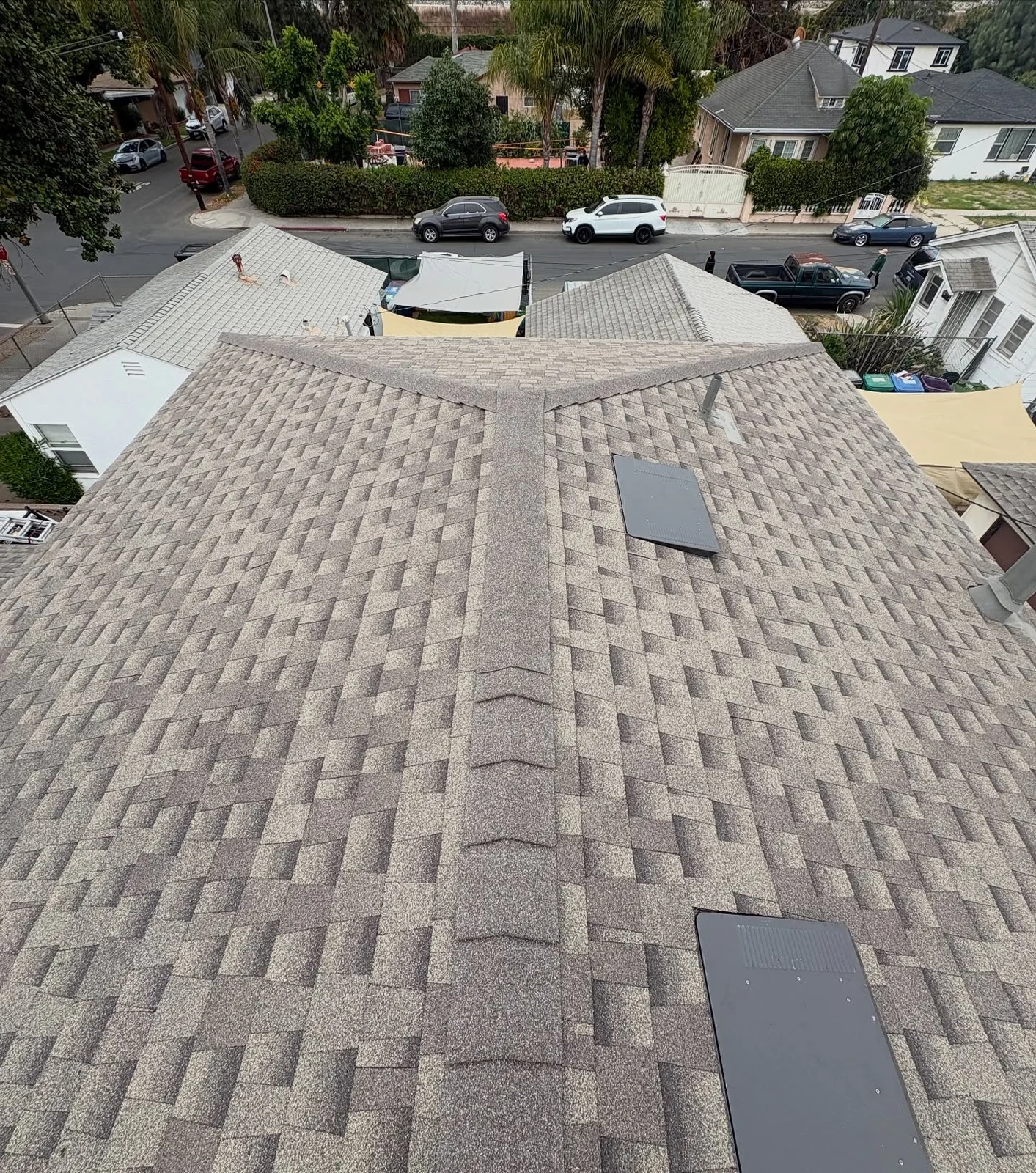
For a replacement in Long Beach or the South Bay, review Golem’s roof replacement service and discuss concealed wood damage when reviewing your estimate. Agreeing on photos, pricing, and approval in advance gives you something concrete to refer to if the crew finds a problem.
Related Roofing Services
Move from this article into the right service path without losing the context behind your roofing decision.
Residential roofing
Installation and replacement paths for shingle, tile, concrete tile, and metal roofs.
Repair and maintenance
Inspection, leak repair, maintenance, and repair planning when the roof still has useful life.
Commercial and HOA
Commercial replacement, HOA planning, TPO systems, and silicone roof coating options.
Planning and proof
Start with the right service path, then review certifications, projects, and customer proof.
Service Areas
Golem Roofing serves Long Beach, the South Bay, Palos Verdes, and nearby Los Angeles County communities.
More Roofing Guides
Related articles selected from the same roofing topic cluster.
- Radiant Barrier Sheathing: What Your Reroof Scope Must Include
- Long Beach Roof Replacement for a Two-Story Home and Garage: A Complete GAF System
- Apartment Building Rock Roof Restoration in Long Beach, CA: 8 Tons of Gravel Removed and a 20-Year ASC Warranty
- Complete Roof Replacement with GAF Timberline HDZ: From Layered Shingles to a 50-Year System
- Roof Drip Edge, Gutters and Fascia: Fix the Right Part
- 13,000 SF HOA Roof Restoration in Signal Hill, CA: Silicone System, 20-Year Warranty & Third-Party Protection